
7 Steps to Move a Refrigerator Safely: Complete Guide
Moving a refrigerator safely requires careful planning, the right equipment, and proper technique to avoid injury or damage. Whether you're relocating across Minooka or moving to a new home near Aux Sable Creek, understanding how to move a refrigerator safely protects both your appliance and your back. Refrigerators typically weigh between 200 and 400 pounds, depending on size and model.
At Fly Guy Moving, we've helped countless families in Grundy County navigate this challenging task. This guide covers everything from preparing the refrigerator for moving to the final setup, giving you the confidence to tackle this task or recognize when professional help makes sense.
Essential Preparation Before Moving Your Refrigerator
Proper preparation makes the difference between a smooth refrigerator move and a potential disaster. Taking time to prepare correctly protects your appliance's internal components and prevents water damage throughout your home.
Empty and Defrost Your Fridge 24-48 Hours in Advance
Start by removing all food items at least 24 hours before your move date. Donate unopened items to the Minooka Community Food Pantry or use perishables in final meals. Turn off your refrigerator and prop the doors open to allow complete defrosting. Place towels around the base to catch melting ice and water. Remove all shelves, drawers, and loose components once defrosting begins.
Clean the interior thoroughly with a mild detergent solution and dry completely. This prevents mold growth during transport and eliminates odors. Preparing the refrigerator for moving starts with this critical defrosting step that protects both your appliance and your home.
Gather the Right Moving Equipment and Supplies
Moving a refrigerator by yourself requires specific equipment to ensure safety and success. An appliance dolly with straps is essential for this job. You'll also need furniture blankets or moving pads to protect the exterior finish. Heavy-duty packing tape secures doors and prevents them from swinging open during transport.
Most hardware stores in Minooka stock these supplies, or you can find them at retailers near Route 6 and Civic Center Drive. Having a refrigerator moving dolly specifically designed for appliances makes this job significantly safer. A quality refrigerator moving dolly handles the weight distribution and provides the stability you need during transport.
Measure Doorways and Pathways
Measure your refrigerator's height, width, and depth before moving day arrives. Compare these measurements to every doorway, hallway, and stairwell along your planned route. Remove door handles if they add width that prevents clearance through tight spaces. In older Minooka homes, particularly those near the historic downtown area, doorways can be narrower than modern standard widths. Add at least two inches of clearance to your measurements for safe maneuvering.
Step-by-Step Guide to Moving a Refrigerator Safely
Following these seven steps ensures you move your refrigerator safely without damaging your appliance or injuring yourself. Each step builds on the previous one to create a systematic approach that professionals use every day.
Step 1: Disconnect and Prepare Your Refrigerator
Unplug your refrigerator from the wall outlet at least 24 hours before moving day. This allows the compressor oil to settle and prevents potential damage to the cooling system. If your refrigerator has an ice maker or water dispenser, turn off the water supply valve. Disconnect the water line carefully and have a bucket ready to catch any remaining water. Tape the power cord to the back of the refrigerator so it doesn't drag on the floor.
Step 2: Secure All Removable Parts and Doors
Remove all shelves, drawers, and bins from inside your refrigerator. Pack these items separately in boxes with plenty of cushioning material. Use strong packing tape to secure the refrigerator doors shut. Wrap the entire refrigerator in moving blankets, securing them with tape or stretch wrap. If you're following a complete moving guide for your Minooka relocation, this securing step prevents loose parts from shifting during transport.
Step 3: Position the Appliance Dolly Correctly
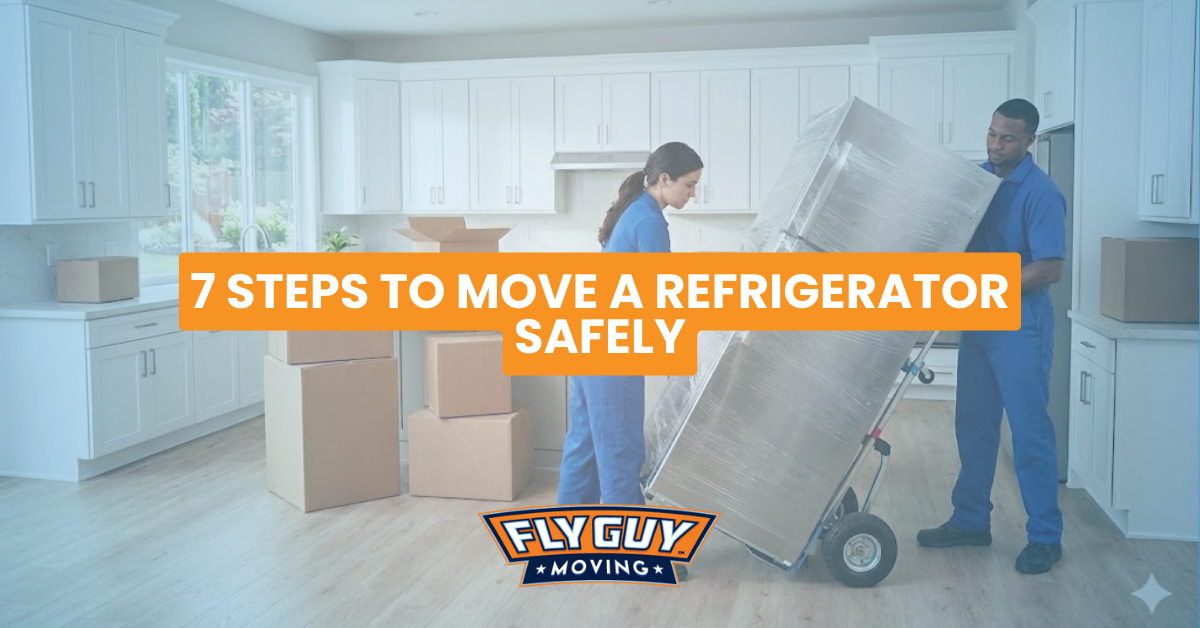
Tilt your refrigerator slightly backward and slide the appliance dolly underneath from the side. The dolly's platform should extend under the refrigerator as far as possible for maximum support. Center the refrigerator on the dolly to maintain balance during movement.
Secure the refrigerator to the dolly using the built-in straps, cinching them tightly. Position yourself at the top or handle end of the dolly while your helper guides from the bottom.

Step 4: Tilt and Load the Refrigerator Safely
Tilt the dolly back slowly until you achieve a balanced angle for rolling. Keep your back straight and lift with your legs, not your back muscles. Move slowly and deliberately, especially when starting from a stopped position. For larger refrigerators weighing over 300 pounds, we strongly recommend having at least two people handle the move.
Refrigerator moving equipment only helps if you use proper lifting techniques. Even when moving a refrigerator by yourself with proper equipment, consider enlisting help for the heaviest lifting phases.
Step 5: Navigate Through Doorways and Stairs
Approach doorways straight-on whenever possible to maximize clearance on both sides. Turn the dolly and refrigerator sideways if necessary to fit through narrow openings. Always move refrigerators downstairs backward, with one person on the lower end controlling descent. Take stairs one step at a time with a solid footing before proceeding.
Many Minooka homes, especially those built near Minooka Community High School, feature split-level designs that require careful navigation. Never attempt stairs alone with a refrigerator.
Step 6: Load and Secure in the Moving Truck
Position your refrigerator upright against the truck wall, never laying it flat during transport. Lying a refrigerator flat can damage the compressor and cooling system permanently. Secure the refrigerator with tie-down straps attached to the truck's anchor points. Place other heavy items around the refrigerator to prevent shifting, but never stack anything on top. If you're using a step-by-step moving checklist for your relocation, ensure that appliances are loaded strategically for quick and easy unloading.
Step 7: Unload and Set Up at Your New Location
Reverse your loading process when unloading at your new Minooka home. Carefully wheel the refrigerator to its designated spot in your new kitchen. Let your refrigerator stand upright for at least four hours before plugging it in. This settling time allows the compressor oil to return to its proper position. Level your refrigerator using the adjustable feet to ensure doors close properly. Turn on your refrigerator and allow it to reach the proper temperature before restocking with food items.
Common Mistakes to Avoid When Moving a Refrigerator
Learning from common mistakes saves you from costly damage and potential injuries. These errors happen frequently, even to experienced DIY movers.
Moving Without Proper Equipment or Help
Many people attempt to slide refrigerators across floors using only blankets or cardboard. This approach damages flooring, scratches appliances, and frequently results in back injuries. The weight distribution makes it nearly impossible to control without a proper dolly. Invest in or rent the right refrigerator moving equipment before attempting this task. The cost of renting an appliance dolly is minimal compared to medical bills or appliance replacement costs.
Laying the Refrigerator Flat During Transport
This mistake ranks among the most damaging things you can do to a refrigerator. The compressor contains oil that lubricates the cooling system, and this oil can flow into the cooling lines when the refrigerator lies flat. Once oil enters these lines, your refrigerator may never cool properly again. Rent an appropriate-sized truck or make multiple trips rather than risking appliance damage. We've seen countless refrigerators ruined by this single mistake.
Plugging In Immediately After Moving
Your refrigerator needs settling time after any move before you restore power. Plugging in immediately after moving risks compressor damage and system failure. Different manufacturers recommend different waiting periods, ranging from four to 24 hours. When in doubt, wait longer rather than shorter. The risk of permanent appliance damage far outweighs the minor inconvenience of waiting.

When to Hire Professional Movers in Minooka, IL
Knowing when to hire professionals versus tackling the job yourself prevents injuries and costly mistakes. Some situations clearly call for professional expertise.
You Have a Large or Built-In Refrigerator
Refrigerators over 30 cubic feet or weighing more than 350 pounds require professional handling. Built-in refrigerators present even greater challenges because they're designed to integrate with cabinetry. Professional movers have specialized equipment rated for heavier appliances and the experience to handle them safely. We've moved everything from standard top-freezer models to massive smart refrigerators throughout Grundy County.
Your Move Involves Stairs or Tight Spaces
Stairs multiply the difficulty and danger of moving refrigerators exponentially. Older Minooka homes often feature narrow basement stairs or split-level designs that challenge even experienced movers. Professional movers assess these challenges beforehand and plan the safest approach. The City of Minooka features a diverse housing stock from historic homes downtown to newer developments, each with unique moving challenges.
You're Moving During Peak Season or Have Time Constraints
Summer months bring peak moving season to Minooka and throughout the Chicagoland area. If you're closing on a home and need to move quickly, professional movers ensure everything happens on schedule. Professionals complete the job in a fraction of the time. Local businesses near Route 6 and Minooka Road stay busy year-round, and many residents balance demanding jobs with relocation logistics.
Conclusion
Moving a refrigerator safely demands proper preparation, specialized equipment, and careful execution throughout every step. These seven proven techniques protect your appliance while preventing injuries.
At Fly Guy Moving, we bring extensive experience moving appliances throughout Minooka and the surrounding Grundy County communities. Contact us today for your free quote and let our professional team handle your upcoming move.