Best Practices to Pack and Move Artwork and Framed Pictures Safely
Moving artwork and framed pictures requires careful planning and precise execution to prevent damage during transit. Whether you're relocating valuable paintings, family portraits, or decorative wall art, these delicate items demand specialized packing techniques that go beyond standard moving procedures. We've helped countless Minooka families safely transport their cherished artwork, and we understand the anxiety that comes with protecting these irreplaceable pieces.
This guide walks you through seven proven steps to pack and move artwork safely, ensuring your treasured pieces arrive at your new home in perfect condition.
Why Artwork and Picture Frames Need Special Moving Care
Artwork represents more than decorative items on your walls. These pieces often carry sentimental value, financial investment, and irreplaceable memories that make them among your most precious belongings during a move.
Common Damage Risks During Relocation
Framed pictures and artwork face multiple threats during the moving process. Glass can shatter from impact or pressure, leaving shards that may scratch or tear the artwork beneath. Canvas paintings can puncture, tear, or develop creases when improperly handled or stacked with heavy items.
Temperature fluctuations during transport can cause warping, especially in wooden frames. The corners of frames are particularly vulnerable to chipping and breaking, while hanging hardware on the back can cause tears if it presses against the artwork during packing.
The Value of Proper Packing Materials
Investing in quality packing materials specifically designed for artwork protection makes the difference between safe arrival and costly damage. Acid-free paper prevents chemical reactions that can discolor or damage artwork over time, while specialized mirror boxes offer the rigid structure needed to prevent bending and breaking.
We always recommend visiting local suppliers like Minooka Lumber and Hardware on Wondamin Street for quality materials, where staff can help you select the right products for your specific needs.
Step 1: Assess and Inventory Your Art Collection
Before touching a single piece, you need a comprehensive understanding of what you're moving and the specific requirements each item demands.
Document Each Piece Before Packing
Create a detailed inventory that includes photographs of every artwork item from multiple angles. Take shots of the front, back, and any existing damage or imperfections. This documentation serves as crucial evidence if damage occurs during the move. Capture close-up shots of signatures, dates, and any identifying marks that establish authenticity and value.
Measure each piece accurately, noting height, width, depth, and any protruding elements. Record the weight of larger pieces to determine appropriate packing materials and whether you'll need additional help. Write brief descriptions including the artist's name, medium, frame type, and estimated value for insurance purposes.
Determine Which Items Need Professional Handling
Some artwork exceeds the scope of DIY moving and requires professional expertise. Original oil paintings by recognized artists, antique pieces with historical significance, and items valued over $5,000 typically warrant professional art moving services. Oversized pieces that won't fit through standard doorways and delicate three-dimensional art also fall into this category.
For guidance on planning your move timeline, reference our guide on how far in advance to book movers to ensure availability for both standard and specialty moving needs.
Step 2: Gather Specialized Packing Materials
Proper materials form the foundation of successful artwork protection. Skimping on supplies or using inadequate substitutes significantly increases damage risk, especially when packing fragile art for moving.
Essential Supplies for Art Protection
Stock up on these critical materials to protect artwork during relocation:
- Acid-free glassine paper or tissue paper for direct artwork contact
- Bubble wrap for cushioning (never touching artwork directly)
- Corner protectors made from foam or cardboard
- Painter's tape that won't leave residue or damage surfaces
- Foam sheets or blankets for padding between items
- Picture boxes or mirror cartons designed for flat, fragile items
- Packing paper to fill empty spaces and prevent shifting
- Heavy-duty packing tape and permanent markers for labeling
Where to Source Quality Materials in Minooka
Minooka Hardware on Wabena Avenue stocks basic packing materials and can often special-order specialty items with a few days' notice. The Whitmore Ace Hardware, just minutes from Minooka, carries an expanded selection of moving supplies, including various box sizes and protective materials.
Step 3: Prepare Your Artwork for Packing
Preparation work before you start wrapping significantly reduces damage risk and makes the packing process more efficient.
Clean and Inspect Each Piece
Dust and debris can scratch artwork surfaces during wrapping, so gentle cleaning before packing protects your pieces. Use a soft, dry microfiber cloth to remove dust from frames and glass surfaces. For glass-covered artwork, a slightly dampened cloth can remove smudges, but ensure the glass is completely dry before wrapping.
Inspect each item carefully for existing damage, noting any cracks in glass, loose frame joints, or areas where artwork has separated from the backing. Tighten loose hanging hardware or remove it entirely if it could press against the artwork during packing.
Remove Hardware and Accessories
Take off all hanging hardware, including picture wire, D-rings, sawtooth hangers, and wall brackets from the back of frames. These protruding elements can puncture wrapping materials or damage the artwork itself. Store all hardware pieces in labeled plastic bags taped to the back of each frame.
Remove any decorative elements that could break off. Photograph the assembly before disassembling so you have a reference for reconstruction at your new home.
Step 4: Master the Art of Wrapping and Packing Artwork Safely
The wrapping technique you use directly impacts whether your artwork survives the move unscathed. Understanding proper methods for packing fragile art for moving ensures your pieces remain protected throughout transit.
Techniques for Framed Artwork
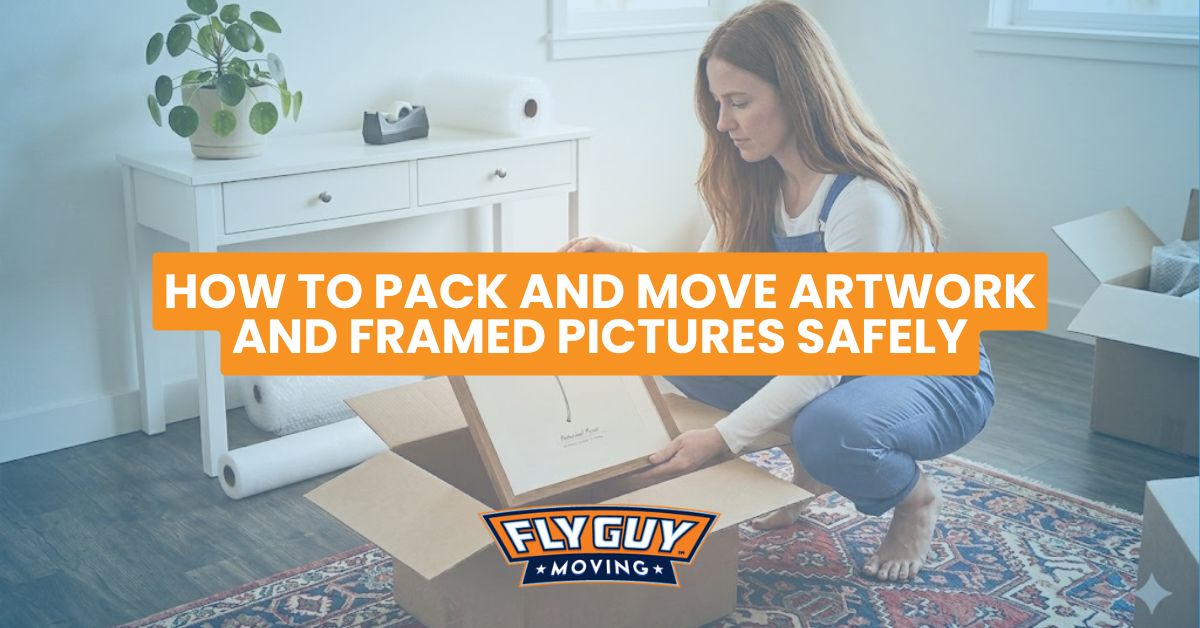
Start by placing an X pattern of painter's tape across the glass surface of framed pieces. This prevents shattering and contains glass shards if breaks occur. Cover the taped glass with glassine paper or acid-free tissue paper, securing it with painter's tape around the frame edges.
Apply corner protectors to all four corners of the frame. Wrap the entire frame in bubble wrap with the bubbles facing outward, away from the artwork. Secure the bubble wrap with packing tape, ensuring complete coverage with at least two layers of protection.
For particularly valuable pieces, create a cardboard sandwich by placing cardboard sheets on both front and back. Label each wrapped piece with its inventory number and handling instructions using a permanent marker.
Methods for Canvas and Unframed Pieces
Canvas paintings without glass require different handling to prevent punctures and creases. Never place bubble wrap or plastic directly against canvas surfaces. Instead, cover the canvas face with glassine paper, securing it lightly with painter's tape only on the stretcher bar edges.
Create a cardboard frame that matches your canvas dimensions by cutting pieces that extend slightly beyond the edges. Place cardboard on both front and back, creating a protective barrier. Wrap this entire assembly in bubble wrap and secure with packing tape.
Step 5: Pack Artwork in Appropriate Containers
Proper boxing provides the final layer of protection and makes transport logistics manageable for moving picture frames without damage.
Boxing Strategies for Maximum Protection
Select picture boxes or mirror cartons that closely match your artwork dimensions. Line the bottom with crumpled packing paper or foam sheets to create cushioning. Place wrapped artwork vertically in the box rather than laying it flat.
Fill all empty spaces with packing paper, ensuring nothing can shift. Avoid mixing artwork with other household items in the same box.
Labeling and Organization Tips
Mark every box clearly on multiple sides with "Fragile - Artwork," "This Side Up," and "Handle With Care" in large, legible writing. Number each box and create a corresponding inventory list that details which pieces are in which boxes. For comprehensive packing and moving organization strategies, our complete moving guide provides detailed checklists and timelines for your Minooka relocation.
Step 6: Secure Transportation of Paintings During Your Move
Even perfectly packed artwork can suffer damage if improperly loaded or transported. Understanding proper vehicle placement and climate control ensures the secure transportation of paintings from your old home to your new one.
Proper Vehicle Placement Techniques
Load artwork boxes last so they're positioned near the truck door for easy monitoring. Place boxes vertically against the truck wall, never laying them flat. Secure boxes with straps to prevent sliding, but ensure straps don't compress the boxes.
Never place artwork boxes on the floor where they're vulnerable to water damage. Use truck rails or pallets to elevate boxes. For local Minooka moves, we often recommend making separate trips for valuable artwork.
Climate and Handling Considerations
Temperature extremes damage artwork through expansion, contraction, and moisture-related issues. Avoid leaving packed artwork in vehicles overnight, especially during Minooka's cold winters or hot summers. If using temporary storage, choose climate-controlled facilities like those near Route 6 in Channahon.
Drive carefully when transporting artwork, avoiding sudden stops and sharp turns. Roads around Minooka, particularly Route 6 and Wabena Avenue, are generally well-maintained, but construction zones require extra caution.
Step 7: Unpack and Display Your Artwork in Your New Home
The final stage requires the same attention and care as the packing process.
Safe Unpacking Procedures
Unpack artwork boxes in a clean, spacious area where you can lay out pieces without crowding. Open boxes carefully, cutting tape rather than ripping it. Remove packing material slowly, supporting each piece as you unwrap.
Keep all wrapping materials until you've inspected each piece. Remove painter's tape from glass surfaces slowly and at an angle. Clean any dust or residue from frames and glass before hanging.
Inspecting for Transit Damage
Examine each piece thoroughly in good lighting, comparing it to your pre-move photographs. Check the glass for cracks, frames for separations, and canvas for tears. Look at corners and edges where impact damage most commonly occurs.
If you discover damage, document it immediately with detailed photographs. Contact your moving insurance provider within the specified timeframe. The Grundy County Historical Society in Morris can recommend local experts who specialize in the restoration and preservation of damaged artwork
Conclusion
Protecting your artwork during a move demands specialized knowledge, proper materials, and careful execution. These seven steps provide a comprehensive framework for safely transporting picture frames and paintings, from initial assessment through final display. Learning how to pack and move artwork safely protects both your financial investment and irreplaceable memories.
Fly Guy Moving specializes in handling fragile and valuable items with the care they deserve, offering professional packing services and secure transportation for your entire household. Contact us today to discuss how we can make your Minooka move seamless and stress-free while keeping your most precious belongings protected.